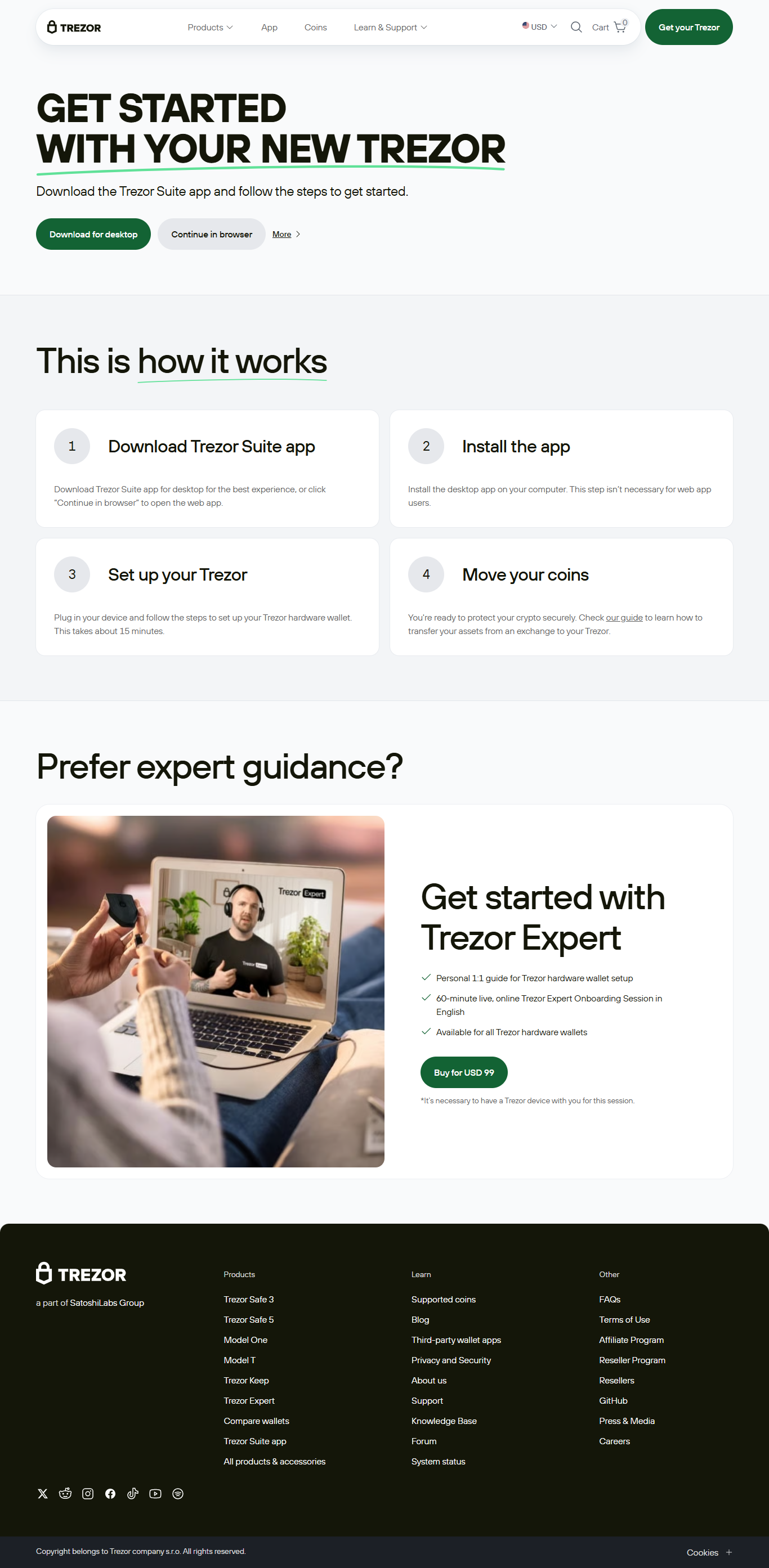
Trezor Bridge Software | Secure Wallet Integration
As cryptocurrencies continue to grow in popularity, ensuring secure access to your digital assets has become paramount. The Trezor Bridge Software serves as a critical link between Trezor hardware wallets and desktop or web applications, providing a secure, seamless, and reliable connection for managing your cryptocurrency. By integrating advanced security protocols with user-friendly software, Trezor Bridge ensures that private keys remain offline while allowing you to perform transactions, monitor portfolios, and manage multiple accounts safely.
Developed by SatoshiLabs, the creators of the first hardware wallet, Trezor Bridge Software is designed to simplify wallet interactions while maintaining robust security. This article explores how Trezor Bridge works, its features, security benefits, supported assets, and why it is an essential tool for anyone serious about safe crypto management.
What Is Trezor Bridge Software?
Trezor Bridge Software is a desktop application that enables communication between your Trezor hardware wallet and compatible software interfaces, including Trezor Suite. It acts as a secure intermediary, translating commands and transaction data between the computer and the hardware device. Importantly, this process occurs without exposing private keys, ensuring maximum security.
The software supports all major operating systems:
Windows
macOS
Linux
Trezor Bridge is essential for enabling hardware wallet functionality across platforms and applications, including both desktop and browser-based interfaces.
Why Trezor Bridge Is Critical for Security
Security is the cornerstone of cryptocurrency management. Since Trezor hardware wallets keep private keys offline, it is essential to have a secure channel for communication. Trezor Bridge ensures that this communication is encrypted and authenticated, protecting users from malware, phishing, and unauthorized transactions.
Key security benefits include:
Encrypted communication between the hardware wallet and computer
Authentication of commands to ensure only authorized actions are performed
Support for secure firmware updates, keeping the wallet up-to-date with the latest security features
By acting as a trusted gateway, Trezor Bridge minimizes risk and ensures a safe user experience.
How Trezor Bridge Software Works
Trezor Bridge Software operates in the background to facilitate secure interactions between the hardware wallet and software interfaces. The process can be broken down into several steps:
Device Detection – When a Trezor wallet is connected, the software recognizes the device and establishes a secure session.
Command Translation – Instructions from Trezor Suite or browser interfaces are converted into device-compatible commands.
Transaction Signing – Sensitive operations, such as sending cryptocurrencies, are executed directly on the hardware wallet.
Data Transfer – Only signed transaction data is transmitted back to the software interface; private keys remain securely stored on the device.
Firmware Updates – Trezor Bridge facilitates secure device updates, enhancing both functionality and security.
This workflow ensures that the wallet remains safe while providing full functionality for asset management.
Key Features of Trezor Bridge Software
1. Cross-Platform Compatibility
Trezor Bridge Software works seamlessly on Windows, macOS, and Linux, enabling users to connect their hardware wallet to their preferred devices without compromising security.
2. Integration with Trezor Suite
The Bridge allows Trezor Suite to detect and communicate with the hardware wallet automatically. Users can send and receive funds, manage multiple accounts, track transaction history, and monitor portfolio performance effortlessly.
3. Web Browser Support
Trezor Bridge also enables access via compatible web interfaces, making it easy to manage your wallet without installing desktop software. While the web interface is convenient, the desktop application is recommended for maximum security.
4. Automatic Firmware Updates
Keeping hardware wallets updated is crucial. Trezor Bridge facilitates firmware updates securely, ensuring that the latest security patches and features are installed without risk.
5. Encrypted Communication
All data transmitted between the hardware wallet and connected applications is encrypted. This prevents unauthorized access or interception of sensitive information, including transaction details and private key data.
Security Advantages
Trezor Bridge enhances the security of your cryptocurrency management in multiple ways:
Private Key Isolation – Keys remain on the hardware wallet, never exposed to the computer or internet.
Command Authentication – Only verified instructions are executed, preventing unauthorized transactions.
Malware Protection – Even if the host computer is compromised, the hardware wallet ensures that private keys remain secure.
Support for Privacy Enhancements – Trezor Bridge works with Tor and custom node connections through Trezor Suite, providing additional privacy protections.
These features collectively ensure that Trezor Bridge maintains a trusted and secure connection between the hardware wallet and software interfaces.
Installation and Setup
Installing Trezor Bridge Software is straightforward:
Download the software from the official Trezor website.
Install the application following platform-specific instructions.
Connect your Trezor wallet – the Bridge will automatically detect it.
Launch Trezor Suite or compatible software – start managing your assets.
Apply firmware updates if prompted – the Bridge will facilitate secure installation.
Once installed, Trezor Bridge runs in the background, enabling secure communication whenever the wallet is connected.
Supported Cryptocurrencies
Trezor Bridge Software works with all cryptocurrencies supported by the connected Trezor hardware wallet and software interface. Popular supported assets include:
Bitcoin (BTC)
Ethereum (ETH)
Litecoin (LTC)
Bitcoin Cash (BCH)
Cardano (ADA)
Polkadot (DOT)
Thousands of ERC-20 tokens
Advanced features such as multiple accounts, hidden wallets, custom transaction fees, and Replace-by-Fee (RBF) for Bitcoin are fully supported through the Bridge.
Desktop vs Web Usage
While Trezor Bridge supports both desktop and web interfaces, the desktop application is preferred for enhanced security:
Full Tor integration for privacy
Reduced phishing and browser-related risks
Stable, faster performance
Automatic handling of firmware updates
The web interface is convenient for occasional use, but desktop access provides the highest level of protection.
Who Should Use Trezor Bridge?
Trezor Bridge Software is essential for anyone using a Trezor hardware wallet. It is particularly valuable for:
Beginners seeking a secure and simple connection to their wallet
Long-term investors who prioritize hardware-level security
Privacy-conscious users who require encrypted and anonymous communication
Advanced users managing multiple wallets, tokens, or hidden accounts
By providing secure and reliable connectivity, Trezor Bridge ensures that all users can safely manage their cryptocurrency assets.
Conclusion
Trezor Bridge Software is a vital tool for anyone using a Trezor hardware wallet. By enabling secure communication between the wallet and desktop or web applications, it ensures that private keys remain offline and protected. Features such as encrypted data transfer, command authentication, and firmware update facilitation make it a critical component of safe cryptocurrency management.
Whether you are a beginner, a long-term investor, or an advanced user managing multiple wallets, Trezor Bridge provides the foundation for secure and efficient crypto operations. By connecting your wallet safely, Trezor Bridge empowers you to manage your digital assets with confidence, combining convenience with the highest standards of security.