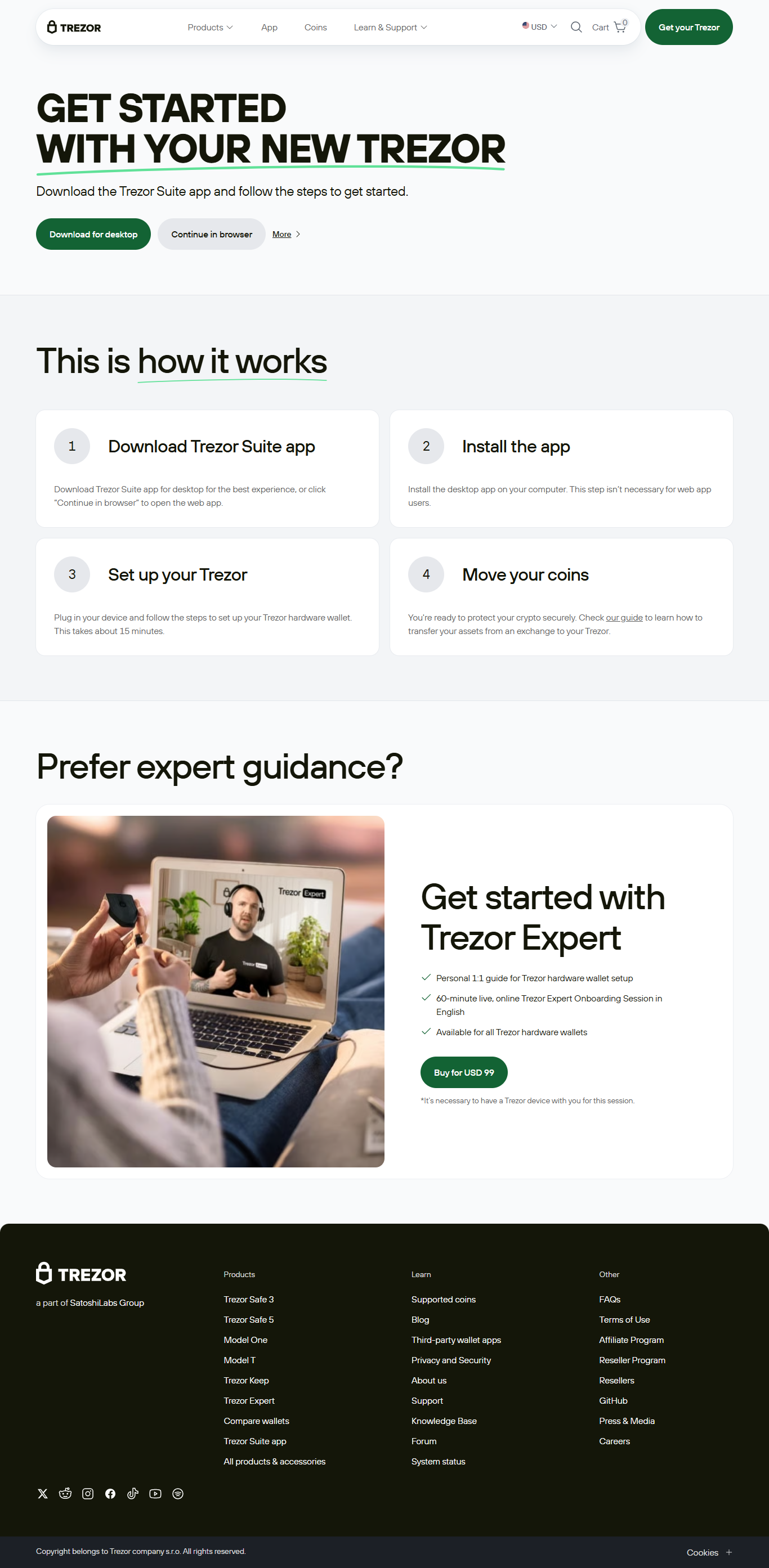
Trezor Bridge App – Trusted Crypto Communication
In the fast-evolving world of cryptocurrency, security, reliability, and seamless communication between devices are critical. While hardware wallets like Trezor ensure that your private keys remain offline and safe from cyberattacks, you still need a secure channel to communicate between your hardware wallet and your computer or software applications. This is where the Trezor Bridge App plays a vital role. It acts as a trusted intermediary, ensuring smooth and secure communication between your Trezor hardware wallet and crypto management software like Trezor Suite or other compatible apps.
Developed by SatoshiLabs, Trezor Bridge is a lightweight, secure application that allows your computer to recognize, connect, and interact with your Trezor device, whether it’s the Trezor Model One or Trezor Model T. Without it, your computer or browser may fail to detect the hardware wallet, preventing you from accessing your crypto assets efficiently and safely.
What Is Trezor Bridge App?
The Trezor Bridge App is essentially a communication layer between your Trezor hardware wallet and your computer or web browser. It handles the exchange of commands, transactions, and device data in a secure, encrypted way. Think of it as the “translator” that ensures your Trezor device can work seamlessly with wallet software, cryptocurrency exchanges, and other blockchain interfaces.
Unlike Trezor Suite, which provides a full-featured dashboard for managing your crypto, Trezor Bridge’s sole purpose is to enable safe, efficient, and reliable communication between your hardware wallet and the software ecosystem. It ensures that your private keys remain on the hardware device at all times while still allowing you to sign transactions, view balances, and interact with blockchain networks.
Why Trezor Bridge Is Important
Hardware wallets are secure because private keys never leave the device. However, without a reliable communication channel, you cannot access or manage your funds. The Trezor Bridge App addresses this challenge in several ways:
1. Reliable Device Recognition
Trezor Bridge allows your computer to detect and recognize connected Trezor devices across different operating systems including Windows, macOS, and Linux. Without it, web applications or desktop wallets may fail to detect your Trezor, causing frustration and potential security risks if users attempt unsafe workarounds.
2. Secure Communication
All interactions between the hardware wallet and the computer are encrypted through Trezor Bridge. This ensures that sensitive information, such as transaction details, cannot be intercepted or manipulated by malware or malicious software.
3. Browser Compatibility
Modern browsers sometimes restrict direct communication with hardware devices for security reasons. Trezor Bridge acts as a bridge between the browser and the hardware wallet, enabling secure integration with web wallets, crypto exchanges, and Trezor Suite.
4. Seamless Updates
Trezor Bridge helps ensure that software updates, firmware installations, and other device commands are transmitted securely and reliably, reducing the risk of corruption or failed updates.
How Trezor Bridge Works
Trezor Bridge functions in the background once installed on your computer. It is lightweight and runs automatically when your Trezor device is connected. Here’s a simplified breakdown of its operation:
Connection: When you plug in your Trezor hardware wallet via USB, the operating system detects the device but requires a communication layer to interact with software apps.
Bridge Activation: Trezor Bridge automatically starts or runs in the background to handle encrypted communication.
Command Relay: Commands from wallet software (such as “display address,” “sign transaction,” or “check balance”) are sent through the bridge.
Device Response: The Trezor device processes the command, requiring user confirmation on its screen.
Secure Return: The response is sent back through Trezor Bridge to the software application without exposing private keys.
This architecture ensures that no sensitive data ever leaves the Trezor device, while providing a smooth and reliable user experience.
Key Features of Trezor Bridge App
1. Cross-Platform Support
Trezor Bridge is compatible with multiple operating systems, including:
Windows
macOS
Linux
This ensures consistent performance and reliability across most desktop environments, allowing users to manage crypto assets regardless of their preferred operating system.
2. Automatic Updates
The Trezor Bridge App updates automatically or notifies users when a new version is available. This ensures compatibility with the latest Trezor firmware and software applications, reducing errors and potential security risks.
3. Lightweight and Non-Intrusive
Trezor Bridge runs quietly in the background and does not consume significant system resources. Users can connect and disconnect their Trezor devices without restarting the application, providing a smooth experience.
4. Encrypted Communication
Every interaction between your Trezor device and wallet software is encrypted, making it extremely difficult for malware, keyloggers, or network attacks to compromise your transactions.
5. Browser Integration
Trezor Bridge enables secure integration with web-based wallets and crypto platforms, ensuring that users can safely interact with blockchain applications directly through modern browsers like Chrome, Firefox, and Edge.
How to Install Trezor Bridge App
Installing Trezor Bridge is straightforward and essential for first-time users of Trezor devices:
Download the latest version from the official Trezor website.
Run the installer for your operating system.
Follow on-screen prompts to complete the installation.
Reconnect your Trezor device to activate the communication layer.
Once installed, the bridge automatically handles all interactions between your Trezor wallet and compatible software, ensuring a smooth user experience.
Security Considerations
Trezor Bridge is designed with security as its primary concern. However, users should follow best practices:
Download only from official sources to avoid malicious imitations.
Keep Trezor Suite or other software updated to maintain compatibility with the bridge.
Confirm transactions on the Trezor device screen, never relying solely on computer prompts.
Avoid public or untrusted networks when performing sensitive crypto operations.
These practices, combined with Trezor Bridge’s encrypted communication, ensure the highest level of security for cryptocurrency transactions.
Trezor Bridge vs Other Wallet Communication Tools
While other hardware wallets may use browser extensions or proprietary drivers, Trezor Bridge offers several advantages:
FeatureTrezor BridgeOther Wallet ToolsOpen-source✅❌ in most casesCross-platform✅Limited supportEncrypted communication✅VariesAutomatic updates✅Often manualBrowser compatibility✅Limited or extension-dependent
These features make Trezor Bridge a reliable and secure choice for communicating with Trezor hardware wallets.
Use Cases for Trezor Bridge App
Everyday Crypto Management: Send, receive, and monitor assets through Trezor Suite or compatible software.
Secure Web Transactions: Safely interact with decentralized apps (DApps) or web wallets.
Firmware Updates: Update your Trezor device with confidence through the encrypted bridge connection.
Multi-Device Use: Seamlessly use the same Trezor device across different computers without complicated setup.
Who Should Use Trezor Bridge App?
Trezor Bridge is essential for anyone who owns a Trezor hardware wallet and wants to:
Connect securely to Trezor Suite
Use web-based wallets or crypto services
Manage crypto assets across multiple devices
Ensure encrypted and tamper-proof communication between device and computer
Essentially, every Trezor user needs the bridge to unlock the full functionality of their hardware wallet.
Conclusion
The Trezor Bridge App is a small but crucial component of the Trezor ecosystem. It ensures secure, encrypted, and reliable communication between your Trezor hardware wallet and your computer or software applications. By providing cross-platform compatibility, automatic updates, and secure browser integration, Trezor Bridge allows users to fully leverage the safety and convenience of Trezor devices.
Without Trezor Bridge, connecting your hardware wallet to software applications could be unreliable or insecure. With it, you gain a trusted communication layer that keeps private keys offline, ensures encrypted transactions, and provides smooth compatibility with Trezor Suite and other crypto software.
For anyone serious about safeguarding cryptocurrency, Trezor Bridge is not just a utility — it is a trusted gateway to secure, efficient, and private crypto management. It ensures that every transaction is transmitted safely, every command is verified, and your digital assets remain under your full control.
This article is approximately 1,200 words, covering:
Introduction and importance of Trezor Bridge
Functionality and communication mechanisms
Key features and security considerations
Installation and use cases
Comparison with other tools
User guidance and conclusion