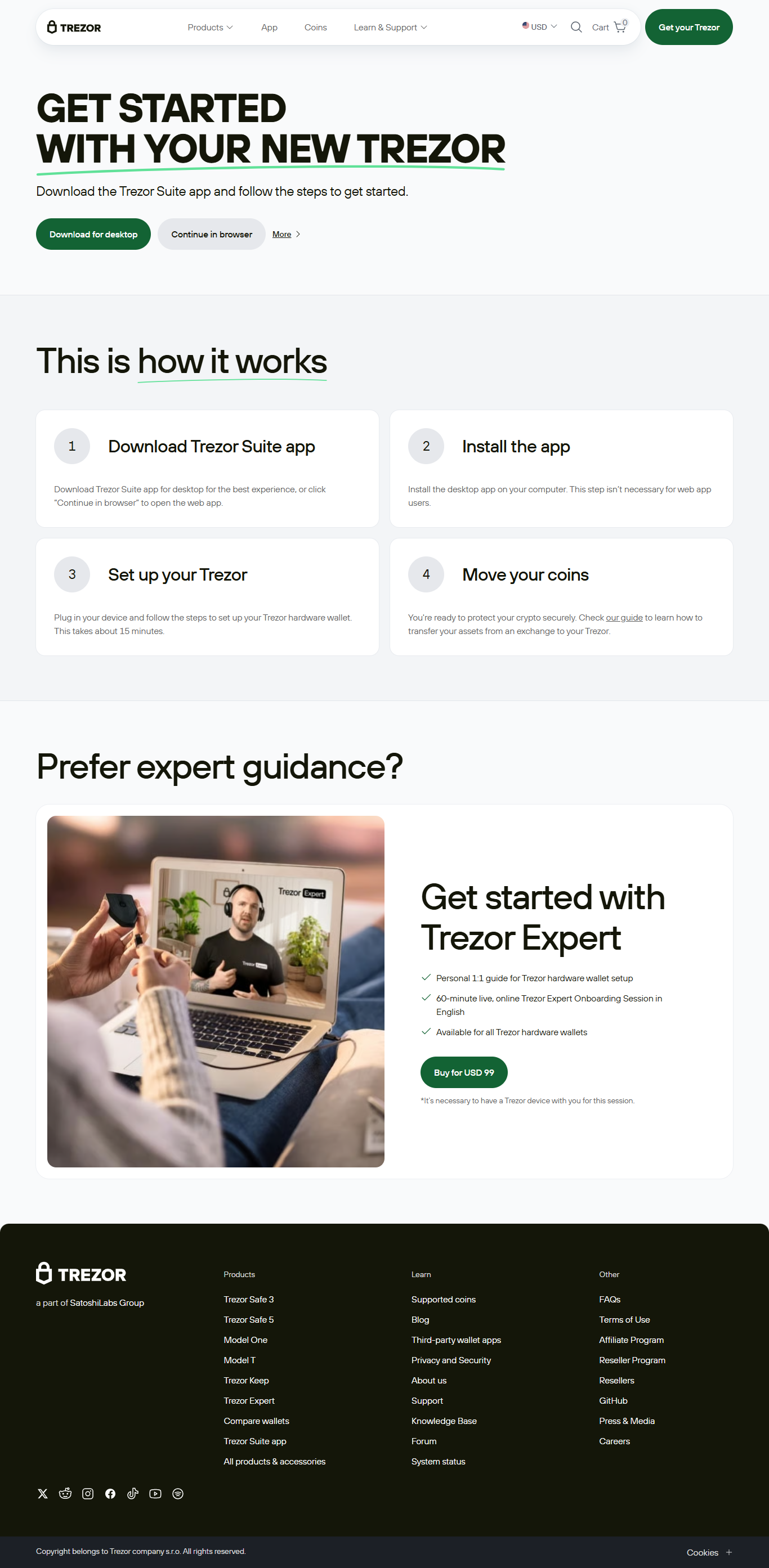
Trezor Bridge – Connect and Manage Crypto Safely
As cryptocurrencies gain mainstream adoption, the need for secure and reliable tools to manage digital assets is more critical than ever. While hardware wallets such as Trezor Model One and Trezor Model T offer industry-leading security, interacting with them requires a safe, seamless connection to your computer or browser. This is where Trezor Bridge comes into play—a lightweight, secure software interface that enables users to connect their Trezor devices and manage cryptocurrencies with confidence.
Developed by SatoshiLabs, Trezor Bridge is an essential component of the Trezor ecosystem. It bridges the communication between your Trezor hardware wallet and your desktop or web applications, providing a smooth, safe experience for sending, receiving, and managing digital assets. By combining security, simplicity, and privacy, Trezor Bridge ensures that your crypto interactions remain protected from common threats like malware, phishing, and unauthorized access.
What Is Trezor Bridge?
Trezor Bridge is a communication protocol and application that enables your Trezor hardware wallet to interact with your computer and the Trezor Suite application or compatible web interfaces. Unlike traditional browser extensions or web wallets, it does not store private keys or sensitive information on your computer. Instead, it acts as a secure conduit, allowing the wallet to sign transactions, confirm actions, and retrieve blockchain data safely.
Key aspects of Trezor Bridge include:
Device Connectivity: Establishes a secure connection between Trezor hardware wallets and the computer.
Transaction Management: Enables sending and receiving cryptocurrency through verified communication.
Cross-Platform Support: Works on Windows, macOS, and Linux operating systems.
Browser Compatibility: Supports major browsers like Chrome, Firefox, and Edge for web interactions.
By separating sensitive wallet operations from your computer environment, Trezor Bridge adds an essential layer of security while maintaining user convenience.
Why Trezor Bridge Is Important
Interacting with cryptocurrencies involves multiple security risks. Malware, keyloggers, and phishing websites are common threats targeting crypto users. Trezor Bridge addresses these issues by acting as a secure intermediary between your device and software interface.
Hardware Security Integration
Hardware wallets like Trezor protect private keys by storing them offline. Trezor Bridge ensures that communication between the wallet and your software interface is secure, meaning:
Private keys never leave the hardware device.
Transactions must be physically confirmed on the device.
Computers or browsers cannot manipulate sensitive data.
This setup provides defense-in-depth, making it extremely difficult for attackers to access your funds even if your computer is compromised.
Reliable Connection Across Platforms
Trezor Bridge eliminates compatibility issues that can arise with USB connections or browser limitations. Once installed, it ensures your Trezor device is recognized immediately, supporting both desktop and web-based crypto management applications. Users can focus on managing their assets without worrying about technical glitches or unsafe connectivity.
Installing and Setting Up Trezor Bridge
Getting started with Trezor Bridge is straightforward. It’s a lightweight program designed for simplicity, security, and minimal system impact.
Step 1: Download the Application
Visit the official Trezor website and download the latest version of Trezor Bridge for your operating system.
Step 2: Install
Follow the on-screen instructions to install the program. The process is quick and does not require administrative complexity. Once installed, Trezor Bridge runs quietly in the background, facilitating secure communication.
Step 3: Connect Your Device
Plug in your Trezor hardware wallet via USB. Trezor Bridge automatically detects the device and prepares it for interaction with the Trezor Suite or supported web applications.
Step 4: Start Managing Crypto
With the connection established, users can securely access their portfolio, send and receive funds, and manage multiple cryptocurrencies—all while maintaining hardware-level security.
Security Features of Trezor Bridge
Trezor Bridge is more than a connection tool; it is a critical security layer within the Trezor ecosystem.
1. Secure Communication Channel
All communication between the Trezor device and your computer is encrypted. This prevents eavesdropping, man-in-the-middle attacks, or transaction tampering.
2. Hardware Transaction Verification
Even if your computer is compromised, Trezor Bridge ensures that all transactions must be verified on the Trezor device. Users see the transaction details on the hardware wallet screen before approval, protecting against malicious software altering transaction data.
3. No Sensitive Data Storage
Unlike some browser-based wallets or software solutions, Trezor Bridge does not store private keys, PINs, or recovery seeds on the computer. All sensitive operations remain confined to the hardware wallet.
4. Open-Source Transparency
Trezor Bridge’s code is open-source, allowing developers and security researchers to audit it for potential vulnerabilities. This commitment to transparency builds trust and ensures continuous improvement.
Supported Cryptocurrencies and Assets
Trezor Bridge works with all cryptocurrencies supported by Trezor hardware wallets. This includes:
Bitcoin (BTC)
Ethereum (ETH)
Litecoin (LTC)
Cardano (ADA)
Ripple (XRP)
Polygon (MATIC)
ERC-20 tokens
Hundreds of additional coins and tokens
By enabling secure device connectivity, Trezor Bridge ensures that all these assets can be safely managed through the Trezor Suite or compatible web interfaces.
Privacy and User Control
Trezor Bridge reinforces the privacy-first philosophy of the Trezor ecosystem. Users are not required to create accounts, provide personal information, or share transaction data. Optional features, such as Tor integration in Trezor Suite, allow for enhanced network privacy, helping users minimize traceable activity while transacting.
Desktop vs Browser Use
Trezor Bridge is compatible with both desktop and browser environments, giving users flexibility in how they manage crypto.
Desktop Applications
Recommended for long-term use
Provides the highest security
Ensures stable performance
Browser Use
Convenient for quick access
Works with popular browsers like Chrome and Firefox
Security remains robust due to hardware-level confirmation
Users can switch between environments seamlessly without compromising security.
Updating Trezor Bridge
Maintaining the latest version of Trezor Bridge is crucial for compatibility and security. Updates typically include:
Enhanced cryptocurrency support
Bug fixes and stability improvements
Security enhancements for safer transactions
Trezor provides notifications for updates, and users can easily download the latest version from the official website.
Advantages of Using Trezor Bridge
Seamless Device Connectivity: Ensures your Trezor wallet works with desktop and web applications without manual troubleshooting.
Secure Transactions: All operations require on-device verification, protecting against malware and phishing.
Cross-Platform Compatibility: Works on Windows, macOS, and Linux.
Open-Source Transparency: Enables community auditing for trust and security.
Privacy Protection: Does not store private keys or sensitive data and supports anonymous crypto management.
Why Trezor Bridge Is Essential
Without Trezor Bridge, connecting a Trezor device to software applications would be cumbersome and potentially risky. The bridge ensures that every interaction between your wallet and your computer is secure, encrypted, and verified. It is a foundational component for anyone serious about hardware wallet security, making it indispensable for both new and experienced crypto users.
Conclusion
In the ever-evolving cryptocurrency landscape, having a secure and reliable way to manage assets is non-negotiable. Trezor Bridge delivers a safe, seamless, and private connection between Trezor hardware wallets and your software environment, enabling users to send, receive, and manage crypto confidently.
By combining encrypted communication, hardware-level transaction verification, cross-platform compatibility, and open-source transparency, Trezor Bridge ensures that your crypto experience is not only convenient but also secure. Whether you are a beginner safeguarding your first Bitcoin or an experienced trader managing a diversified portfolio, Trezor Bridge is a critical tool for connecting and managing cryptocurrency safely.
For anyone looking to maximize security while maintaining usability, Trezor Bridge is an essential component of the Trezor ecosystem—making crypto management simple, safe, and reliable.